
New research suggests that weight loss medications may play a transformative role in treating metabolic dysfunction-associated steatotic liver disease (MASLD) and its more advanced form, metabolic dysfunction-associated steatohepatitis (MASH). A new review published in the World Journal of Gastroenterology highlights the growing evidence that these medications are not only effective for sustained weight reduction but also show significant improvements in liver health, making them one of the most promising therapeutic avenues for these complex liver conditions.
MASLD: A Growing Global Health Concern
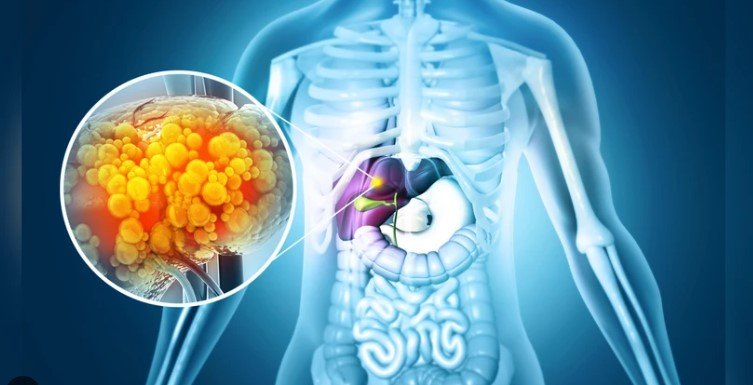
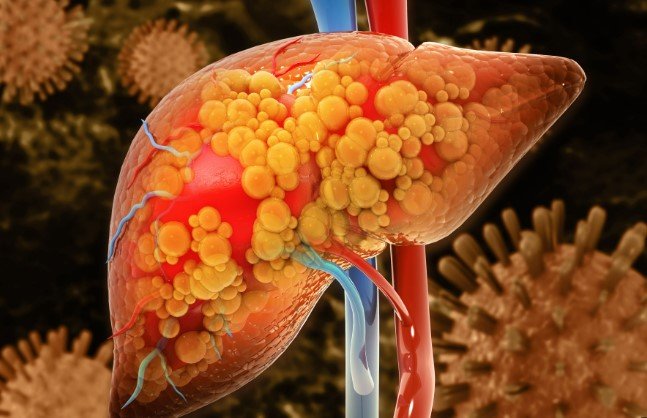
MASLD, formerly known as non-alcoholic fatty liver disease (NAFLD), now affects nearly 30% of adults worldwide, making it the most prevalent chronic liver disease. It is primarily driven by obesity, insulin resistance, and chronic inflammation. Over time, MASLD can progress into MASH, fibrosis, or even cirrhosis, significantly increasing the risk of heart disease, kidney failure, and certain cancers.
The challenge lies in its silent progression — many patients remain undiagnosed until liver damage becomes irreversible. That’s where weight loss medications are beginning to change the landscape, offering new hope for prevention and management.

Why Weight Loss Matters in MASLD
Studies show that even modest weight loss can lead to measurable liver improvement. According to researchers, a 5% reduction in body weight can improve steatosis and inflammation, while a 10% or greater loss can reverse fibrosis in some patients.
However, sustained weight loss through diet and exercise alone remains challenging for most individuals. “Achieving and maintaining weight loss through lifestyle modification alone remains difficult,” researchers wrote. “In this context, anti-obesity medications have emerged as a promising adjunct therapy.”
GLP-1 Agonists: The Game Changers
Among the various weight loss medications, GLP-1 receptor agonists (GLP-1 RAs) such as liraglutide (Victoza, Saxenda) and semaglutide (Ozempic, Wegovy) show the strongest clinical evidence for improving MASLD and MASH outcomes.
Initially designed for diabetes management, these drugs also promote weight loss and directly benefit the liver by reducing hepatic fat, improving liver enzyme levels, and slowing fibrosis progression.
Clinical trials like the LEAN study demonstrated that liraglutide significantly improved steatohepatitis and even led to partial fibrosis reversal. Similarly, semaglutide has shown comparable or better results in reducing liver fat and inflammation.

FDA Approval of Semaglutide for MASH
In a major milestone, the U.S. Food and Drug Administration (FDA) recently approved semaglutide (Wegovy) for the treatment of MASH, marking the first official approval of a weight loss medication specifically targeting liver disease.
The decision was based on the phase 3 ESSENCE trial, which found that:
-
63% of patients achieved steatohepatitis resolution without fibrosis worsening, and
-
37% of patients experienced fibrosis improvement without worsening steatohepatitis.
These results position semaglutide as a potential gold-standard therapy in MASLD and MASH management.
Next-Generation Drugs: Dual and Triple Agonists
While GLP-1 agonists are already reshaping liver treatment, newer incretin-based therapies are showing even more impressive results.
Tirzepatide (Mounjaro, Zepbound), a dual GLP-1/GIP agonist, has demonstrated superior weight loss (up to 20%) and remarkable liver fat reduction in phase 3 trials. Meanwhile, retatrutide, a triple GLP-1/GIP/glucagon agonist from Eli Lilly, has achieved over 24% body weight reduction in early studies — unprecedented results that could redefine the future of obesity and liver disease treatment.
While these drugs have shown metabolic and hepatic benefits, researchers caution that biopsy-confirmed fibrosis improvement is still under study.
Emerging Therapies Beyond Incretins
Beyond incretin agonists, other weight loss medications and liver-targeted therapies are gaining attention:
-
FGF-21 analogs, like efruxifermin from Akero Therapeutics, have demonstrated biopsy-confirmed improvements in liver fibrosis among patients with moderate MASLD.
-
Centrally acting agents such as phentermine/topiramate and naltrexone/bupropion assist in weight loss but have limited data specific to MASLD and carry potential side effects like hepatotoxicity, teratogenicity, and neuropsychiatric issues.
Safety and Real-World Use
The review highlighted that GLP-1 RAs appear safe for patients with compensated cirrhosis, though caution is required in advanced stages due to risks like malnutrition or gastrointestinal side effects.
As more weight loss medications enter the market, long-term safety and tolerability will remain crucial areas of study, especially for individuals with existing metabolic disorders.
The Challenge of Global Accessibility
Despite their promise, these therapies remain financially out of reach for many patients worldwide. The high cost of GLP-1 drugs and limited insurance coverage create significant barriers, particularly in low- and middle-income countries, where obesity and MASLD are increasingly prevalent.
Experts have called for tiered pricing models, public health funding, and policy reforms to ensure equitable access. Without such measures, disparities in treatment outcomes are likely to widen.

Future Outlook: Turning Promise into Practice
The authors of the review emphasize that the next phase of research must focus on long-term safety, real-world effectiveness, and advanced disease management. Clinical trials are already underway to evaluate whether weight loss medications can replace or complement existing therapies for advanced fibrosis and cirrhosis.
If successful, these drugs could revolutionize liver disease management in the same way they transformed diabetes and obesity care.
Conclusion
The latest findings reaffirm that weight loss medications — particularly GLP-1 receptor agonists and their next-generation successors — hold immense promise in managing MASLD and MASH. They offer not just weight reduction but also direct liver benefits, improved metabolic function, and the potential to reverse early liver damage.
However, accessibility, affordability, and long-term safety remain pressing challenges. With continued innovation and global collaboration, the hope is to make these life-changing therapies available to every patient in need — turning scientific promise into everyday clinical practice.