
The state government has announced that the upcoming Kerala Ayurveda research centre in Kannur will be a world-class facility, designed to strengthen the traditional system of medicine while advancing global research and education. Kerala Health Minister Veena George confirmed that the Rs 400 crore project is nearing completion, with its first phase already under construction.A
Landmark Ayurveda Project
The International Ayurveda Research Centre will be one of the largest of its kind, combining healthcare, research, and cultural preservation. The facility will include:
-
A 100-bed hospital dedicated to Ayurvedic treatment
-
Sections to preserve and display ancient manuscripts, including palm-leaf texts
-
A biodiversity centre showcasing medicinal plants
-
Research wings for innovative clinical trials and drug development
This holistic approach will not only promote Ayurveda’s healing methods but also strengthen Kerala’s position as the global leader in traditional medicine.
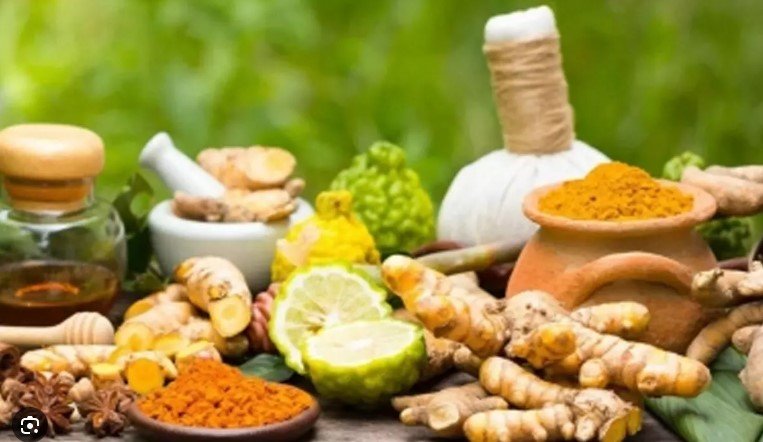
Global Interest in Ayurveda Research
The announcement has already attracted attention from several international universities, eager to collaborate with the centre on Ayurveda-based research. Such partnerships will help bring scientific validation to ancient practices, opening doors to new treatments for chronic diseases, preventive health, and wellness therapies.
Minister Veena George said the centre would be a “contribution for generations,” ensuring Ayurveda’s principles are studied, documented, and applied with modern research standards.
Kerala’s Progress in the AYUSH Sector
Over the past few years, Kerala has made significant strides in the AYUSH sector (Ayurveda, Yoga, Unani, Siddha, Homoeopathy). Initiatives include:
-
Establishing a homoeopathy dispensary in every panchayat, making Kerala the only state to achieve 100% AYUSH coverage at the local level
-
Creation of 116 new posts in the AYUSH sector, including 40 in the Homoeopathy Department
-
Development of the first state-level guidelines for AYUSH care, later adopted nationally
These measures have elevated Kerala’s reputation as India’s hub for traditional healthcare, blending ancient wisdom with modern governance.

Quality and Accreditation
The government has also focused on quality control and international standards. So far:
-
250 AYUSH institutions in Kerala have achieved NABH accreditation
-
The budget allocation for AYUSH has increased tenfold since 2021
-
Over 10,000 yoga clubs have been launched to promote preventive healthcare
By aligning Ayurveda with global standards, Kerala ensures that traditional practices remain credible, effective, and respected worldwide.
Recognising Excellence: Kerala AYUSH Kayakalp Awards
During the announcement, Minister George also inaugurated the Kerala AYUSH Kayakalp Awards. These awards recognise AYUSH institutions that demonstrate excellence in hygiene, waste management, and infection control under the supervision of local bodies.
In the first year itself, 132 institutions across Kerala received awards for their exemplary service. Such recognition not only motivates institutions but also sets higher benchmarks for healthcare delivery in the state.
Why the Research Centre Matters
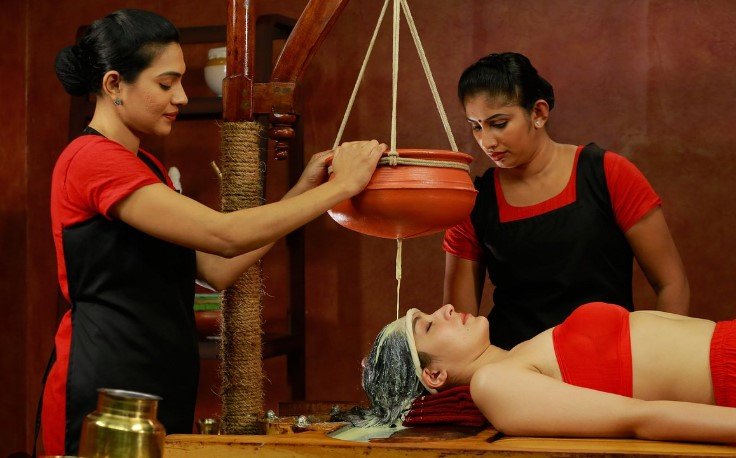
The new Kerala Ayurveda research centre in Kannur holds importance on multiple levels:
-
Healthcare Access – A 100-bed Ayurveda hospital will provide treatment for both local and international patients.
-
Cultural Preservation – Ancient manuscripts and palm-leaf texts will be safeguarded for future generations.
-
Economic Growth – The centre will create opportunities for research, medical tourism, and employment.
-
Global Collaboration – International partnerships will help integrate Ayurveda with modern medical research.
-
Preventive Healthcare – With Ayurveda and yoga gaining global popularity, the centre will promote wellness as well as treatment.
Kerala’s Vision for the Future
Kerala’s health initiatives underline a vision where traditional medicine and modern science work together. The Kerala Ayurveda Research Centre is expected to become a global hub, attracting scholars, practitioners, and patients from around the world.
Minister George emphasized that such initiatives ensure Kerala remains a pioneer in healthcare, balancing innovation with tradition. She added that the project reflects the government’s commitment to making Ayurveda not only a local heritage but also an international scientific discipline.

Final Thoughts
The establishment of the Kerala Ayurveda research centre in Kannur is more than an infrastructure project—it is a cultural, medical, and global milestone. With an investment of Rs 400 crore, Kerala is positioning itself as the global capital of Ayurveda, ensuring that this centuries-old science continues to evolve and benefit future generations.
As international collaborations grow and quality standards rise, this initiative could transform Ayurveda from a traditional practice into a globally recognised system of preventive and curative healthcare.